Iranian Filmmaker Jafar Panahi wins Palme d’Or at Cannes Film Festival 2025
Bahar Motarjemi
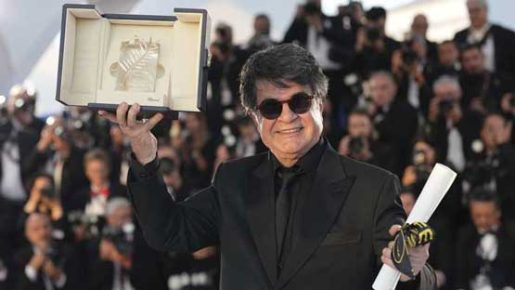 This May, Iranian filmmaker Jafar Panahi won the Palme d’Or at the Cannes Film Festival. The Palme d’Or is the top prize awarded at the festival, given to the director of the best feature film. Panahi was awarded for his thriller movie It Was Just an Accident, which depicts a group of former prisoners capturing a man they believe to be their torturer from their time in prison. Doubts over the identity of the persecutor and the morality of seeking revenge unravels the group’s cooperation and produces conflict. The story is said to be influenced by Panahi’s past imprisonment in Iran, as well as his perspective of the Iranian regime. Critics have praised the film’s thought-provoking message and excellent storytelling.
The Palme d’Or is not the first award Panahi has received at Cannes, as he has also won a Caméra d’Or exactly 30 years ago for his film The White Balloon, a tale of two children and their journey to purchase a new goldfish as per the customs of Nowruz. The 1995 film was the first that Panahi himself had directed and signified a successful debut into worldwide recognition. Furthermore, The White Balloon signified the first major award for an Iranian film at Cannes, generating attention to the Iranian impact on the filmmaking industry as a whole.
Historically, most of Panahi’s films have been banned in Iran due to their dissenting themes regarding Iran’s government and regime. Panahi had been under several short-term arrests before being arrested in Iran in 2010. Though he was able to be freed from his sentence in late 2010, he received the support of numerous filmmakers, critics, directors’ organizations, and award shows at the time of his initial arrest by the authorities. The success of It Was Just an Accident is one example of Panahi’s lasting impression as a leader, both through his talents in film and the activist motives behind his art.
Panahi’s films often comment on social and political issues in Iran, with some films drawing inspiration from Panahi’s own experiences with the Iranian government. Though ranging in their themes and intended effects, all of Panahi’s films have demonstrated his dedication to sharing the realities of Iranian lives on a larger scale. Even with the restrictions and hazards placed upon Panahi’s career, he continues to advocate for human rights through his thoughtfully created films.
Bahar Motarjemi is a sophomore at Canyon Crest Academy in San Diego. She is passionate about writing and looks forward to continuing her journey.
Bahar is an ISSD graduate.