The Psychological Impact of Social Media
By: Aryana Mahasseni
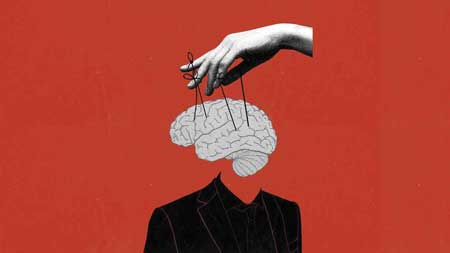
Social media is everywhere. It is how we keep up, show up, and sometimes even define who we are. But beneath the funny videos and perfectly lit photos, something heavier underlies—something that quietly shapes how we see ourselves and each other.
There is a strange paradox to it all. We know social media profiles are just a highlight reel—carefully chosen clips of the best moments, usually filtered and edited to perfection. And yet, we are still hooked. We keep scrolling, comparing, posting, and hoping to be seen. Even when we understand it’s not real, it still affects us. And now, there is research backing up what many of us have felt for years.
The Highlight Reel: A Filtered Reality
Social media feeds are designed to showcase the best moments—sunsets, celebrations, and success stories. But constantly seeing these snapshots can distort our perception of reality. According to a study conducted by Loma Linda University Health, this ceaseless comparison fosters dissatisfaction with one’s own life and accomplishments, leading to negative self-perception. (1) Moreover, the prevalence of filters and photo editing tools has given rise to phenomena like “Snapchat dysmorphia,” where individuals seek cosmetic procedures to resemble their filtered images. This trend directly demonstrates the deep impact of idealized online portrayals on self-image.
Hooked on the Scroll: The Dopamine Effect
Every like, comment, or new follower triggers a release of dopamine, the brain’s “feel-good” chemical. This reward system grows extremely problematic when manipulated by social media platforms to keep users engaged. McLean Hospital notes that social media’s reinforcing nature activates the brain’s reward center, making platforms inherently addictive. (2)
This design is in no way accidental. Features such as infinite scrolling and algorithm-driven content are tailored to maximize user engagement, often at the expense of mental health. As a 2023 NPR article highlights, dopamine is part of our brain’s survival mechanism, which is actively exploited by social media to keep users hooked. (3)
The Vicious Cycle: Comparison and Addiction
The curated perfection we see online does not only affect our self-esteem—it also feeds our addiction. The more we compare ourselves to others, the more we seek validation through likes and comments, perpetuating a cycle that’s hard to break. Harvard T.H. Chan School of Public Health emphasizes that increased exposure to image-based social media correlates with poor body image among teens. (4)
This cycle is especially concerning for adolescents, whose brains are still developing. Research from the University of Chicago demonstrates how habitual social media use can change brain development in areas related to social rewards and punishments. (5)
Breaking Free: Steps Toward Healthier Habits
Awareness is the first step. Recognizing that social media presents a distorted reality can help mitigate its impact. Here are some strategies to foster a healthier relationship with social media:
Curate Your Feed: Follow accounts that promote authenticity and positivity.
Set Boundaries: Limit screen time, especially before bed, to reduce exposure.
Engage in Real-Life Activities: Prioritize offline interactions and hobbies that bring joy.
Seek Support: If social media is affecting your mental health, talk to someone—a friend, parent, or counselor.
Social media is not inherently bad, but its impact depends on how we use it. Through understanding the mechanisms behind our scrolling habits and taking proactive steps, we can reclaim control and foster a healthier digital environment.
References:
(1) “The Impacts of Social Media on Youth Self-Image | News.” Llu.edu, 16 May 2023, news.llu.edu/health-wellness/impacts-of-social-media-youth-self-image
(2) “Here’s How Social Media Affects Your Mental Health | McLean Hospital.” Mcleanhospital.org, 29 Mar. 2024, www.mcleanhospital.org/essential/it-or-not-social-medias-affecting-your-mental-health?
(3) “Anti-Dopamine Parenting” Can Curb a Kid’s Craving for Screens or Sweets.” NPR, 12 June 2023, www.npr.org/sections/health-shots/2023/06/12/1180867083/tips-to-outsmart-dopamine-unhook-kids-from-screens-sweets
(4) “Exploring the Effect of Social Media on Teen Girls’ Mental Health | Harvard T.H. Chan School of Public Health.” Harvard T.H. Chan School of Public Health, HSPH, 14 Sept. 2023, hsph.harvard.edu/news/exploring-the-effect-of-social-media-on-teen-girls-mental-health/
(5) Fumagalli, Elena, et al. “The Effects of Social Media Consumption on Adolescent Psychological Well-Being.” Journal of the Association for Consumer Research, vol. 9, no. 2, 14 Nov. 2023, https://doi.org/10.1086/728739.
Aryana Mahasseni is a high school student passionate about social justice, environmental issues, and exploring different cultures. Alongside her writing, she enjoys playing guitar and songwriting, often finding inspiration in her experiences. Aryana also cherishes spending time with friends and family and aims to use storytelling as a tool for advocacy, to inspire change, and to strengthen community bonds. Aryana is an ISSD graduate.