
Nourishing the Nervous System: Foods and Habits That Support Calm and Resilience
Nazanin Abbaspour, PhD, RD
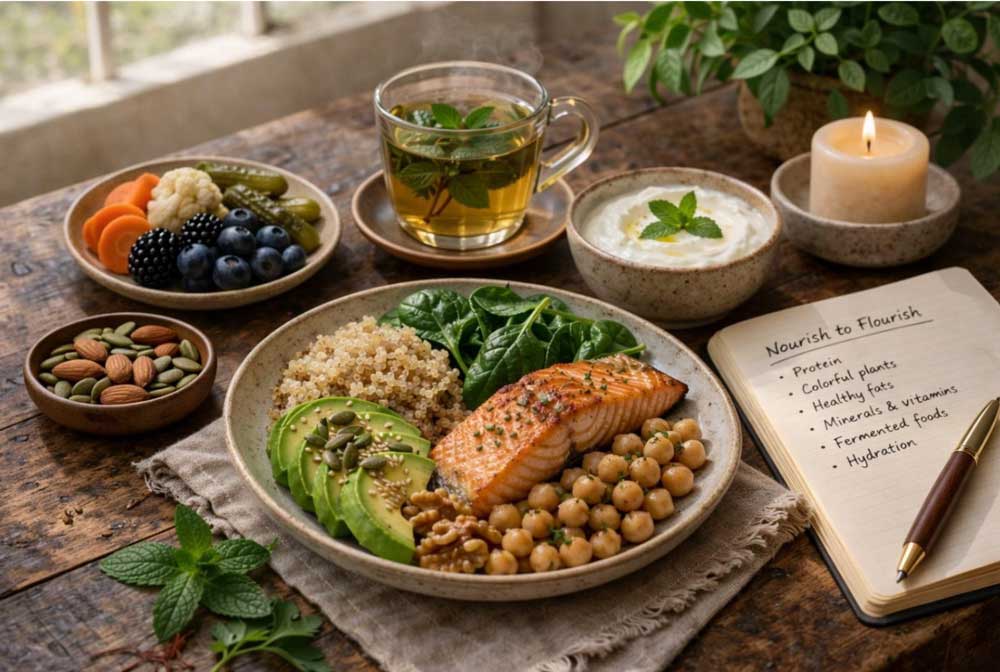 The foods we choose each day do more than fuel our bodies—they directly shape the chemistry of our brains and the resilience of our nervous systems. Modern neuroscience reveals that specific nutrients act as building blocks for neurotransmitters, protectors against oxidative stress and regulators of the body’s stress response, offering a pathway to emotional stability rooted in what we eat. [1] Diet quality has been linked to mental well-being, and poor nutrition may contribute to low mood and poorer stress coping. [2]
The Gut-Brain Connection
The gut microbiota, comprising trillions of microorganisms, communicates bidirectionally with the brain through neural, immune, and hormonal pathways—a system known as the microbiota-gut-brain axis. [3] Disruptions in this microbial community can exaggerate the hypothalamic-pituitary-adrenal (HPA) axis response to stress, increase inflammation, and alter neurotransmitter production, contributing to anxiety and depression. [4] Traditional Persian fermented foods like kashk (whey), torshi (pickled vegetables), and mast (yogurt) naturally support this microbial ecosystem. Clinical evidence demonstrates that probiotic supplementation significantly reduces symptoms of both depression and anxiety in affected individuals, with effects emerging within weeks. [5]
Protein: The Foundation of Brain Chemistry
High-quality protein provides the essential amino acids—the building blocks of proteins—that serve as precursors for virtually all neurotransmitters. The amino acid tryptophan converts to serotonin, the neurotransmitter governing mood and calm, while the amino acid tyrosine becomes dopamine and norepinephrine, which regulate motivation, focus, and stress resilience. [6] The brain’s synthesis of these chemical messengers depends directly on dietary amino acid availability. When protein intake is adequate, neurotransmitter production proceeds optimally. Excellent sources include organic, pasture-raised eggs; wild-caught fatty fish; organic, pasture-raised poultry and red meat, plus dairy; as well as vegetarian options such as legumes (lentils, chickpeas, beans), nuts, seeds, organic tofu, and quinoa—many of which feature prominently in Persian cuisine. Emerging research suggests that moderate protein intake may offer protective benefits against cognitive decline, with both the quantity and quality of dietary protein influencing neuronal integrity and reducing inflammation. [7]
Polyphenols: Nature’s Brain Protectors
The vibrant colors of berries, herbs, and tea signal the presence of polyphenols—plant compounds with remarkable neuroprotective properties. Flavonoids found in tea, berries, and colorful vegetables cross the blood-brain barrier and directly modulate neuroinflammation by suppressing inflammatory pathways while activating protective antioxidant systems. [8] Anthocyanins, the pigments giving berries their deep hues, reduce pro-inflammatory cytokines in the brain and enhance cognitive function. [9] These compounds also support the production of brain-derived neurotrophic factor (BDNF), essential for synaptic plasticity and learning. [10] Persian culinary traditions rich in herbs like mint, parsley, and saffron, alongside pomegranates and dried berries, provide abundant sources of these brain-supporting compounds.
Key Minerals for Energy and Cognition
Magnesium, abundant in nuts, seeds, leafy greens, and whole grains, plays a central role in calming the nervous system. Clinical trials show that magnesium supplementation reduces symptoms of depression and anxiety, with effects observed within two weeks of beginning treatment. The combination of magnesium with vitamin B6 provides additional benefit for those experiencing severe stress. [11, 12]
Iron is essential for brain energy metabolism and neurotransmitter synthesis, including dopamine and serotonin production. Iron deficiency—even without anemia—can cause fatigue, difficulty concentrating, and increased symptoms of depression and anxiety. Supplementation in iron-deficient individuals improves cognitive function and reduces anxiety symptoms. [13, 14] Good sources include red meat, poultry, and fish, as well as plant-based options such as lentils, spinach, chickpeas, pumpkin seeds, and fortified grains. Tofu and tempeh are also substantial sources of iron. Pairing plant-based iron sources with vitamin C–rich foods (like tomatoes or citrus) enhances absorption.
Zinc is concentrated in brain regions governing mood and cognition, where it modulates glutamate signaling and neuroplasticity. Serum zinc levels are consistently lower in individuals with depression, and higher dietary zinc intake is associated with reduced risk of developing depression. Zinc supplementation has demonstrated efficacy in reducing depressive symptoms, particularly when combined with standard treatments. [15] Rich sources include meat, shellfish, and dairy, along with vegetarian options such as pumpkin seeds, chickpeas, lentils, cashews, sesame seeds (tahini), tofu, and tempeh.
B vitamins, particularly B6, B9 (folate), and B12, are essential cofactors in neurotransmitter synthesis. Deficiencies in these vitamins have been linked to cognitive decline, depression, and impaired stress resilience. [16] B6 is found in poultry, fish, potatoes, chickpeas, and bananas; folate is abundant in leafy greens, lentils, and asparagus; B12 is primarily found in animal products such as eggs, dairy, fish, and meat, making supplementation important for those following a strict vegetarian or vegan diet.
Omega-3 Fatty Acids
Omega-3 fatty acids, found in fatty fish, walnuts, and flaxseeds, support neuronal membrane integrity and neurotransmitter signaling. Supplementation with EPA-enriched omega-3s at doses of 1–2 grams daily has shown benefit for those with existing depression. These fatty acids also modulate cortisol responses during stress. [17]
The Power of Routine
Beyond specific nutrients, the timing and regularity of meals serves as a powerful regulator of circadian rhythms and cortisol secretion. Predictable eating patterns, rather than prolonged fasting or constant grazing, help synchronize the body’s internal clocks, supporting stable mood and metabolic function. [18] This rhythm of daily nourishment—breakfast with family, a midday meal, evening tea—provides structure that the nervous system interprets as safety.
In essence, resilience is built not through any single food but through consistent patterns of nourishing both body and microbiome, honoring the ancient wisdom that what we eat shapes not only our physical health but our capacity to meet life’s challenges with calm and strength.