

HOW TO SELECT THE RIGHT MEDICAL INSURANCE PLAN
By Sanaz Majd, MD
Selecting a health insurance plan for yourself or your family can feel overwhelming. Many people find themselves confused by unfamiliar terms like HMO, PPO, and EPO, and unsure how those differences actually affect their care.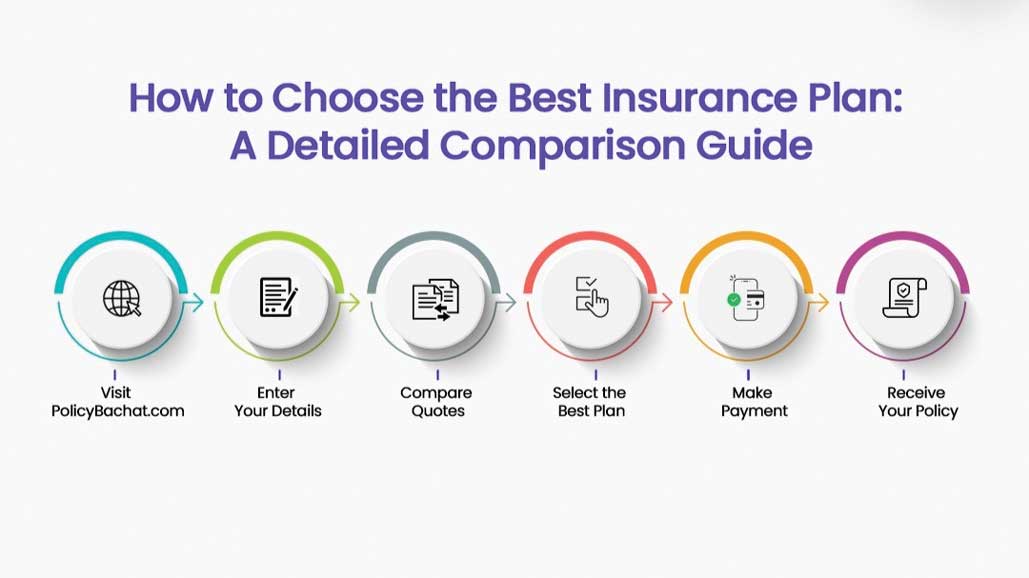
It’s also tempting to compare plans based only on monthly premiums and copays, but that approach can be misleading. Some of the most important differences between plans aren’t obvious at first glance—and they can significantly impact both your access to care and your out-of-pocket costs.
Understanding the basics can help you make a confident, informed decision.
Note: This guide focuses on commercial insurance plans and does not apply to government programs such as Medicare or Medicaid.
The 3 Most Common Types of Health Plans
Most commercial insurance plans fall into one of three categories:
HMO (Health Maintenance Organization)
HMO plans are often (but not always) the most cost-effective option. They are designed to keep healthcare costs down for both patients and the health care organization by emphasizing preventive care and coordinated treatment. The more the patients utilize the system, the higher the expense for the medical group.
In an HMO:
• Your Primary Care Physician (PCP) is your main point of contact and helps coordinate your care
• Referrals are required to see specialists
• You must stay within a defined network of providers and facilities
This structure may sound restrictive, but it has advantages. Your PCP helps guide decisions about when specialty care or advanced testing is truly necessary—helping avoid unnecessary costs and procedures.
For example, imaging tests like MRIs are expensive and not always clinically helpful unless the results would change treatment decisions. In an HMO model, these are typically approved only when medically appropriate. For example, a simple curiosity to “know” if you have a meniscal tear in the knee is not a sufficient enough reason to authorize the test if the MRI will not change the clinical outcome in the end, as many people opt to live without surgery for a knee tear.
What to consider with an HMO:
• You’ll need referrals for specialists and many tests (CT, MRI, etc.)
• Care is not covered outside the network (except emergencies)
• You may need to switch doctors if your current ones are not in-network
• Certain high-cost medications may require step therapy (trying lower-cost options first). Examples include GLP-1s, certain osteoporosis infusions/injections (like Reclast or Prolia), asthma/COPD inhalers, etc.
It’s also important to understand where you can receive services, as HMOs only cover care at designated locations:
• Labs for blood work
• Imaging centers (X-rays, mammograms, ultrasounds)
• Urgent care centers
• Hospitals and emergency rooms
PPO (Preferred Provider Organization)
PPO plans offer greater flexibility, but typically at a higher cost.
In a PPO:
• No referral is needed to see a specialist
• You can see any provider within the network—and often out-of-network providers at a higher cost
• You have more control over your care decisions
Because of this flexibility, PPOs usually come with:
• Higher monthly premiums
• Higher deductibles and out-of-pocket costs
This model is often described as “fee-for-service,” meaning doctors are paid per visit or procedure.
Important to know:
• PPOs still have provider networks—always confirm your doctor accepts your plan
• Prescription coverage is still governed by a formulary, so expensive or brand-name medications may still not be covered without prior authorization
• Out-of-network care can be significantly more expensive
EPO (Exclusive Provider Organization)
EPOs are a hybrid between HMOs and PPOs.
With an EPO:
• You do not need referrals to see specialists
• But you must stay within the network (similar to an HMO)
This can be a good middle-ground option for people who want some flexibility without the higher cost of a PPO.
How to Choose the Right Plan for You
When comparing plans, think beyond just premiums. Here are four key steps to guide your decision:
1. Estimate Your Healthcare Needs
Consider how often you and your family typically use healthcare services.
• If you have chronic conditions (e.g., diabetes, heart disease) that require more frequent visits and/or care, you may benefit from:
– Lower copays
– Higher premiums
• If you are generally healthy and rarely visit the doctor:
– A lower premium with higher out-of-pocket costs may make more sense since you may be paying less in the long run
2. Review Your Medications
This is one of the most overlooked—but most important—steps.
• Check each plan’s formulary (covered drug list)
• Compare costs for your specific medications
• Pay close attention to brand-name or specialty drugs
A plan that looks cheaper upfront can become expensive if your medications aren’t well covered.
3. Check Your Doctors and Specialists
If you have doctors you trust, confirm they are in-network before choosing a plan.
This is especially important if you:
• See specialists regularly
• Are undergoing ongoing treatment
• Want continuity of care
Switching plans may require switching providers.
4. Compare Employer Plans vs. Marketplace Options
You are not limited to your employer’s plan.
• You can explore options through the Affordable Care Act (ACA) Marketplace
• Depending on your income, you may qualify for subsidies that lower costs
Some patients are surprised to find that marketplace plans can sometimes be more affordable than their employer plan.
A Few Extra Tips Most People Miss
• Understand your deductible: This is what you pay before insurance starts covering many services, and may include costs of visits, labs, imaging, etc.
• Know your out-of-pocket maximum: This is the most you’ll pay in a year.
• Look at urgent care and ER coverage: These costs can vary widely.
• Check telehealth options: Many plans now include convenient virtual visits.
Final Thoughts
There is no one-size-fits-all health plan. The “best” plan depends on your health needs, financial situation, and personal preferences when it comes to flexibility versus cost.
Taking a little extra time to review the details now can help you avoid unexpected expenses—and ensure you have access to the care you need when you need it.
Disclaimer
This content is for informational purposes only and does not constitute medical or financial advice. It does not replace individualized guidance from your healthcare provider or insurance professional. Always consult with a licensed professional regarding your specific situation.
Sanaz Majd, MD, is a board-certified Family Medicine physician and host of the @MajdMD YouTube channel, reviewing the most popular medical topics. You can also follow her on Facebook or Instagram: @SMajdMD.