
An Inside Look at Learning Persian
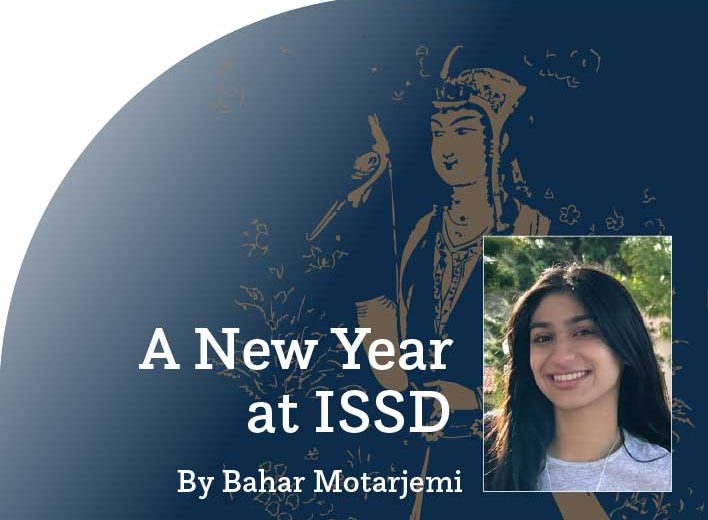
Bahar Motarjemi
Every week, youth from all over the county attend the Iranian School of San Diego for a full day of classes held in Persian. Though at first glance it is simply an educational setting, the school fosters a community of language learners who do their part in sustaining Persian culture and tradition. The dedication and hard work of ISSD students, teachers, and faculty is immeasurable.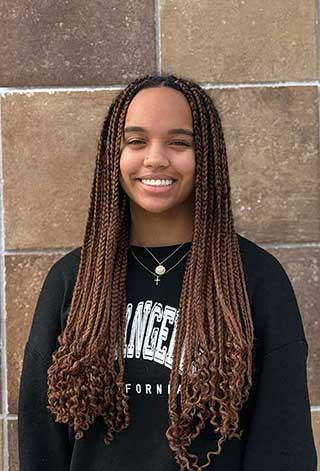
One Sunday, I had the opportunity to interview Anna Salaam, who is a junior in high school and an exemplary student at ISSD. She is biracial, and connects to black culture and holidays such as Kwanzaa, to strengthen her ties to her heritage. Her surname, like other names in her family, is a traditional Swahili name. Though she is not ethnically Persian, she has come into contact with local opportunities to experience Persian culture and feels fortunate to have the opportunity to learn about it alongside implementing Persian into her daily life. Within just a few moments of speaking with Anna, I could clearly see her passion for Persian and for familiarizing herself with its historical and cultural roots.
Bahar Motarjemi (BM): What inspired you to start learning Persian? What does your typical day of Persian school look like?
Anna Salaam (AS): I first started learning Persian last year at a local university, which was a positive experience that served as a bridge for me to come to ISSD and prompted my interest in wanting to know more about the language. My weekly commute to Persian school begins early Sunday mornings. I leave my house around 6:45 a.m. and take two buses, the first to downtown San Diego and the second to Mount Carmel High School, where ISSD classes take place.
For the whole Persian school day, I go to Persian 3 class, which has been a very nice and welcoming experience. In class we talk about topics like Persian holidays, the calendar, food, etc. Conversation class is an hour-long class after regular Persian school ends. On a typical day in “convo class,” students talk about what they did over the week, and then move on to the curriculum in their textbooks. We also play games such as riddles or hangman.
BM: How has ISSD impacted your experience in learning Persian? As the school year comes to a close, how would you compare your Persian from the beginning until now?
AS: I started going to ISSD at the beginning of this school year and, since then, I have noticed a lot of progress in my Persian communication. My biggest accomplishment in Persian has been the ability to understand complete conversations. I have also gained an understanding of Persian culture through my learning journey. Because of ISSD, I enjoy going to my classes and learning more about the language with my friends. Compared to the beginning of the Persian school year, I feel like I am able to understand more and more Persian, as well as respond and keep conversations going at a faster pace.
Through interviewing her, I have gotten to know both Anna’s motivated efforts in the Persian language as well as the way the Iranian school creates a sense of spirit that helps its students succeed in their language education. Anna is one of many people at ISSD preserving the presence of both Persian culture and language in San Diego. Through the continuation of support and resources for ISSD, we can ensure plentiful opportunities to learn about all aspects of Persian culture, language, tradition, and more.
Bahar Motarjemi is a sophomore at Canyon Crest Academy in San Diego. She is passionate about writing and looks forward to continuing her journey.
Bahar is an ISSD graduate.