The Environmental Burden We Inherit: A Generation’s Response to Climate Change
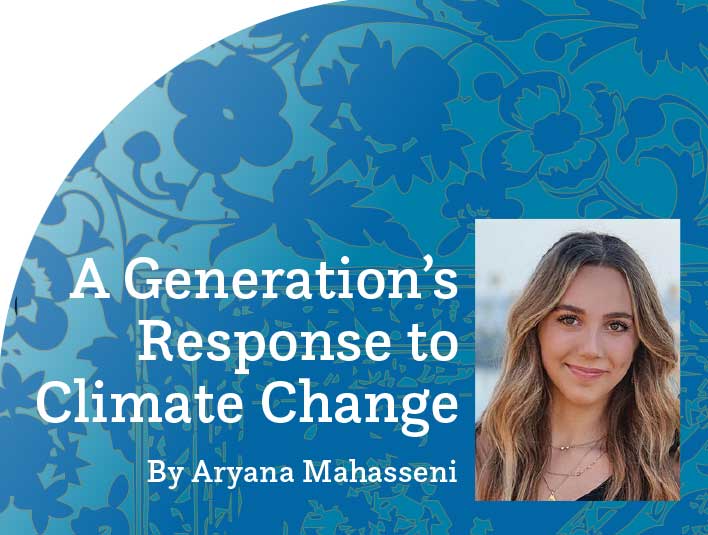
By: Aryana Mahasseni
 As members of Generation Z, we find ourselves inheriting a world deeply battered by environmental degradation. The consequences of industrialization, deforestation, and carbon emissions undeniably have contributed to a planetary crisis that feels both overwhelming and personal. To people born in this era of climate change, the legacy of past mistakes are heavy. The responsibility to repair this damage now lies in the hands of rising generations, and although the task is extremely daunting, incredible surges of activism, involvement, and resolve to build a more sustainable future have resulted.
Emotional Toll of Climate Change
The emotional impact of the climate crisis on Gen Z is undeniable. A report by Yale Environment 360 shows that many young people experience a term called “eco-anxiety,” with nearly 64% of respondents reporting that climate change has impacted them mentally. From increased anxiety to feelings of helplessness, the psychological toll is evident. This sense of doom is shown in certain life choices as well. The report includes how many people delay marriage and starting families, and those who consider career shifts due to the uncertainty of a changing world. The anxiety regarding the future often leads to a sense of powerlessness, as we question whether resilience from past environmental burdens are even possible in the face of such significant ecological devastation.
Rising Activism and Advocacy
Despite these challenges, Gen Z has become a powerful force for climate action. A 2021 Pew Research report highlights that young people are more likely to engage in climate protests and activism than older generations. Through movements like Fridays for Future (which is led by the infamous Greta Thunberg) and youth-led strikes, we have used our voices to demand action from leaders and corporations. Social media platforms such as TikTok and Instagram have grown to be vital tools in organizing and expanding awareness, allowing global connections, and amplifying our calls for change. This digital mobilization has given Generation Z the power to demand accountability on a scale larger than ever seen before.
Frustration with Past Generations
While activism provides a sense of empowerment, it is also rooted from frustration with the actions of older generations. Gen Z believes that previous generations, particularly Baby Boomers and Generation X, have left us with a world in crisis. This crisis was motivated by short-term economic profit over long-term sustainability As Yale Environment 360 explained, many young people express feelings of betrayal, believing that previous generations failed to act accordingly to the warnings of climate change. The lack of substantial progress in addressing the climate crisis has left young generations to deal with the consequences, usually without the resources or political will to make substantial change.
The Role of New Leadership
New leadership has brought some hope for the future, but many Gen Z activists remain skeptical. While policies such as the Justice40 initiative—which directs 40% of climate benefits to disadvantaged communities—represent progress, these headways alone are not nearly enough. So, as a society we must continue to demand more than words and promises. The world needs concrete, long-term action. As climate activists argue, we need to ensure that climate change is treated as an urgent, existential threat, not just a political issue. The future depends on real solutions, not empty rhetoric.
Conclusion: Moving Forward
The challenges presented by climate change are extensive, however, Generation Z feels a strong commitment to confronting them head on. The emotional toll is real, but it fuels a greater inspiration for activism and determination to better the Earth. While the legacy of past generations is one of neglect, the legacy we will leave behind will be defined by our initiative for a sustainable planet. Through continued advocacy and the pressure we place on leaders and industries, we aim to ensure that the world we leave behind is one worth inheriting for our posterity. We will not accept a future shaped by inaction. Instead, we as a generation will create the change needed to secure a livable, thriving planet for generations to come.
References:
Schiffman, Richard. “For Gen Z, Climate Change Is a Heavy Emotional Burden.” Yale Environment 360, 28 Apr. 2022, e360.yale.edu/features/for-gen-z-climate-change-is-a-heavy-emotional-burden.
Tyson, Alec, et al. “Gen Z, Millennials Stand out for Climate Change Activism, Social Media Engagement with Issue.” Pew Research Center, 26 May 2021, www.pewresearch.org/science/2021/05/26/gen-z-millennials-stand-out-for-climate-change-activism-social-media-engagement-with-issue/.
Brown, H Claire. “Young People Are Worried about Climate Change—and That’s Affecting Their Future Plans.” The Wall Street Journal, 17 Oct. 2024, www.wsj.com/articles/young-people-are-worried-about-climate-changeand-thats-affectig-their-future-plans-de0f7cd3.
Schneid, Rebecca. “Here’s What Gen Z Climate Activists Are Prioritizing This Coming Year.” TIME, Nov. 2024, time.com/7171431/what-gen-z-climate-activists-are-prioritizing/.