Handwoven Persian Carpet Art: Iran’s Cultural and Artistic Heritage
By Ali Bazmandegan
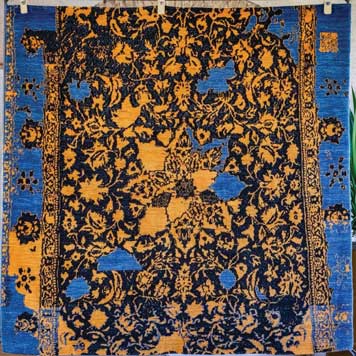
Iran is a land steeped in centuries of artistic tradition, creativity, and rich history. Every artifact— from ancient pottery to contemporary crafts—reflects the thought, imagination, and skill of generations of Iranian artisans. Among the most revered, sophisticated, and timeless Iranian art forms is the art of handwoven Persian carpets. This craft extends far beyond weaving threads into a decorative floor covering; it embodies the culture, history, philosophy, and spiritual values of the Iranian people. Each carpet is a living testament to centuries of artistic evolution, social history, and human creativity, connecting the past to the present in a tangible, vibrant form.
The Persian Carpet: More Than a Decoration
A Persian carpet is not merely a decorative object; it is a symbol of identity, culture, and continuity. Each rug carries within its knots a story—tales of ancient myths, folklore, local customs, environmental conditions, spiritual beliefs, and the personal aspirations of its makers. Persian carpets are often described as mirrors reflecting the collective soul of the Iranian people. They do not simply cover the floors of homes; they serve as heirlooms, markers of social status, repositories of historical memory, and conduits of cultural values across generations.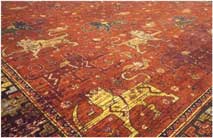
Carpet weaving in Iran has historically been intertwined with daily life, spiritual practices, and social structures. From humble village workshops to the grandest palaces, Persian carpets have adorned homes, mosques, religious shrines, and public buildings. Each carpet tells a story unique to its origin, region, and designer, offering profound insight into the broader historical and cultural context of Iran. Beyond artistry, these carpets have functioned as cultural documents, narrating tales of society, trade, and aesthetics over millennia.
Reflection of Iranian Culture in Carpets
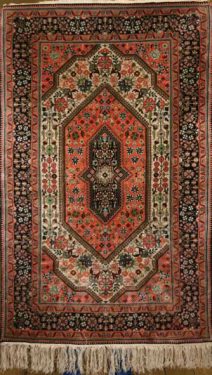
Persian carpets are a vivid manifestation of Iranian culture, philosophy, and aesthetic sensibilities. They capture centuries of artistic development, illustrating how Iranian artisans interpreted nature, mythology, religion, and everyday life. To fully appreciate these carpets, one must explore several dimensions: historical background, symbolism, weaving techniques, color schemes, patterns, and the relationship between function and aesthetic beauty.
Historical Background
1. Achaemenid Period (550–330 BCE)
The earliest known evidence of Persian carpet art comes from the Pazyryk Carpet, dating to the fifth century BCE. Discovered in Siberia, this carpet features motifs of horsemen, deer, and intricate geometric patterns closely resembling designs found in the reliefs of Persepolis. The Pazyryk Carpet demonstrates that Iranian art has been interwoven with daily life for millennia, reflecting both technical sophistication and symbolic depth. It stands as a testament to how early Persian culture integrated artistry into domestic, ceremonial, and social life.
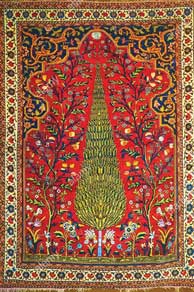
2. Sassanian Period (224–651 CE)
During the Sassanian era, carpets became increasingly intricate and luxurious, incorporating broader color palettes and complex designs. The most renowned example, the Baharestan Carpet (Taq Kasra), was embellished with gold, silver, and precious stones. Carpets of this period were not merely decorative; they were cultural markers of prestige, wealth, and refinement, symbolizing the grandeur of Persian artistry. Artisans experimented with motifs drawn from royal iconography, mythology, and natural forms, establishing patterns that would influence later Persian carpets for centuries.
3. Safavid Period (1501–1736 CE)
The Safavid era is often regarded as the golden age of Persian carpets. During this period, carpet weaving flourished with floral, foliate, hunting, and animal motifs. The Safavid dynasty promoted arts and crafts as symbols of national pride, and carpets were widely exported to Europe and the Ottoman Empire, influencing global textile design.
These carpets achieved unprecedented aesthetic complexity, combining symmetry, harmony, and profound symbolic meaning. Designs were meticulously planned to reflect not only beauty but also cosmology, spirituality, and philosophical ideals, demonstrating the intellectual depth embedded in visual arts.
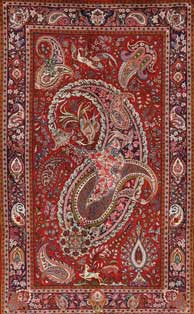
4. Qajar Period (1789–1925 CE)
In the Qajar period, Persian carpets became recognized for vivid colors, elaborate patterns, and artistic fusion with other Iranian art forms such as miniature painting, tilework, and calligraphy. European collectors began seeking Persian rugs for their intricate designs and craftsmanship. This era also saw the initial steps toward industrial standardization, which helped prepare Persian carpets for a growing international market while still preserving their traditional essence.
5. Pahlavi Period (1925–1979 CE)
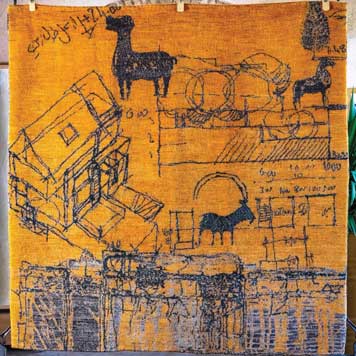
Social and economic transformations during the Pahlavi era allowed Persian carpets to enter international markets on a larger scale. The establishment of the Iran Carpet Company in 1935 standardized production, nurtured talented designers, and expanded exports. Museums, particularly the Carpet Museum of Iran, collected and preserved historical masterpieces, introducing Persian carpets to global audiences and solidifying their status as cultural icons. Carpets from this era became not only art objects but national symbols of Iranian identity and heritage, bridging history, culture, and modernity.
Symbols and Colors in Persian Carpets
Symbols
Persian carpets are rich in symbolic meaning, where motifs carry multiple layers of spiritual, cultural, and social significance. Some of the most common symbols include:
• Boteh Jegheh: Life, rebirth, and continuity.
• Cypress: Steadfastness, endurance, and resilience.
• Flowers and Leaves: Vitality, growth, and natural beauty.
• Lion: Strength, courage, and protection.
• Peacock: Beauty, immortality, and elegance.
• Fish: Fertility, prosperity, and abundance.
• Birds: Love, freedom, and spiritual transcendence.
• Sunburst (Shamsa): Divine light and guidance.
• Medallion: Center of truth, cosmic harmony, or spiritual focus.
• Human Figures: Narratives of historical events, social stories, or folklore.
• Squares and Diamonds: Stability, balance, and order.
Each symbol reflects regional influences, spiritual beliefs, and the intentions of the weaver, connecting personal expression to broader cultural traditions.
Colors
The choice of colors is deliberate and influenced by geography, climate, and local culture:
• Mountain regions: Warm and dark tones.
• Desert areas: Earthy shades.
• Northern lush areas: Greens and natural plant tones.
• Sun-intensive regions: Brighter, more vibrant hues.
Traditionally, dyes were derived from plants, tree bark, insects, and minerals, producing long-lasting colors while maintaining a connection to the natural environment of the region. Color combinations often convey emotional, cultural, and symbolic meaning, contributing to the narrative power of each carpet.
Aesthetics of Persian Carpets
Persian carpets represent one of the most sophisticated aesthetic systems in the world. Their beauty is multi-dimensional: visual, symbolic, and philosophical. Most carpets feature a central focal point, representing the sun, the heart, or the origin of creation. Designs are meticulously balanced, employing symmetry, rhythm, and harmony, creating a sense of order and spiritual resonance.
Minor imperfections, variations in knots, and subtle asymmetries are valued as markers of authenticity, reflecting the human touch and individual craftsmanship. The tactile quality of handwoven carpets, combined with intricate motifs, produces an immersive visual and emotional experience, making each piece unique.
Cultural and Global Importance
Persian carpets are recognized as Intangible Cultural Heritage of Humanity by UNESCO. They serve as cultural ambassadors, representing Iranian art, philosophy, and identity worldwide.
Beyond their aesthetic appeal, carpets carry historical narratives, linking generations and preserving collective cultural memory.
Despite this, carpet production in Iran has declined in recent decades, due to industrialization, modern lifestyle changes, and economic challenges. Preservation efforts are essential, including:
• Supporting local artisans and workshops.
• Documenting regional designs and weaving techniques.
• Encouraging global awareness and appreciation of Persian carpets.
These efforts ensure that future generations can experience the depth, beauty, and cultural significance of this ancient craft.
Ali Bazmandegan is an accomplished Iranian artist with 24 years of experience in carpet design, architecture, and painting. His work exemplifies the fusion of traditional Persian motifs with contemporary design sensibilities, bridging historical heritage and modern expression, continuing the legacy of Persian art, promoting Iranian culture to a global audience, and demonstrating how traditional craftsmanship can harmonize with contemporary artistic expression. Bazmandegan has been ranked among the top 100 Iranian architects (first place in interior design, Shiraz, 2019); has over 15 painting exhibitions and multiple architectural exhibitions in Iran and Europe; has designed three Persian carpets for the private collection of Empress Farah Pahlavi; is a member of the French Association of Artists; and has won three international awards for his artistic work.