
Harnessing Sound and Movement: Nurturing Mind, Body, and Spirit
By Vahid Jahandari
Introduction
Arts-based interventions, such as Music and Movement for Health (MMH), are gaining traction in health-related research. MMH is a structured interdisciplinary program that integrates music and dance to enhance well-being. This article aims to review recent studies exploring the perspectives of participants and community stakeholders—facilitators and community partners—on the MMH intervention. However, before delving into that, let’s first reevaluate our understanding of dance as a form of expressive movement.
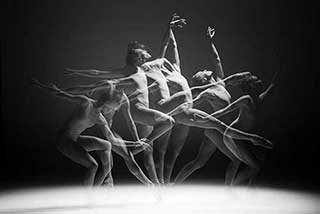
The Cognitive Neuroscience of Dance
Dance is a broad form of expressive movement characterized by coordinated, rhythmic actions of the body, often set to music. It differs from other movement forms, such as yoga or gymnastics, in that it translates creative cognition into action. Dance is influenced by its context and objectives, with emotional and aesthetic components intricately woven into its physical execution, making it a powerful mode of non-verbal communication. (1)
Choreography can be performed solo, in pairs, or in groups. Partnered dances, such as tango or ballroom, require synchronization and mutual responsiveness, while group dances, like folk or synchronized performances, emphasize collective movement and social bonding. Fundamental principles, including balance, weight transfer, rhythm, and spatial awareness, are essential for both performance and interpretation. Dance engages social, aesthetic, physical, and cognitive dimensions, making it a valuable subject for scientific and neuroscientific inquiry. (2)
Dance activates various cognitive processes crucial for executing movements and interacting in group or partnered settings. It involves storing and recalling steps, utilizing sequential, spatial working, relational, and non-declarative memory. Partnered dance, with its dynamic spatial relationships, may enhance spatial memory encoding. Studies indicate expert dancers outperform novices in motor recall for structured choreography. Furthermore, comparisons between professional dancers and novices suggest that dance-related memory benefits are most pronounced when movements are accompanied by music. While the general memory advantages may not be readily apparent in young adults, lifelong dance practice has been linked to a reduced risk of dementia and slower cognitive decline. (3)
MMH for Physical and Psychosocial Health
The MMH program was systematically developed using evidence-based principles and interdisciplinary expertise, integrating elements of exercise, music therapy, and dance therapy to address physical and psychosocial health outcomes for older adults. The intervention design benefited from public and patient involvement (PPI) and expert consultation workshops, ensuring stakeholder relevance and feasibility. (4)
The rising proportion of older adults and the associated health challenges underscore the need for innovative interventions. Many older adults do not meet physical activity recommendations, which are crucial for reducing the risks of mortality, chronic illness, and loneliness. Dance and music have demonstrated significant benefits in mobility, cognition, mental health, and social connectedness. However, qualitative insights into tailored, therapeutically oriented arts programs like MMH remain limited. (5)
Music therapy is a widely used non-pharmacological approach in clinical and therapeutic settings, particularly for managing anxiety, stress, and pain associated with illnesses or medical procedures. Research indicates that music therapy, whether used alone or in conjunction with standard treatments, can reduce pain, anxiety, and fatigue, while enhancing the overall treatment experience of adult cancer patients undergoing radiation therapy. (6)
Arts-Based Health Promotion Programs
The MMH intervention was conducted in the Midwest of Ireland between February 2022 and June 2023, reflecting an increasing recognition of the value of arts-based health promotion programs for older adults, especially in addressing multimorbidity, reduced physical functioning, and psychosocial challenges. MMH leverages the therapeutic potential of music and dance to provide a unique, enjoyable, and accessible approach to improving quality of life and fostering social connections among older adults. (7)
Supervised sessions led by a physiotherapist, music therapist, and dance instructor at community centers featured physical and vocal warm-ups, dancing to live music, singing, co-creating dance routines, cool-down exercises, and social time over refreshments. Participants practiced key movements during the warm-up and cool-down, all set to music. (8)
The Intersection of Exercise and the Arts
The overarching theme identified in this study is “Positive Aging in Place,” which encompasses two main aspects:
Unique Engagement: Participants found the MMH program to be both unique and engaging, blending their interests in music and dance while providing physical and psychological benefits.
Routine and Social Opportunities: These programs offer routines and social connections that were especially valued post-COVID-19, fostering a sense of belonging. The intervention supported physical activity through enjoyable arts-based methods, contributing to improved well-being and reduced isolation.
The MMH program has demonstrated its potential to promote health and social engagement among older adults via accessible activities. Its positive effects on physical and cognitive health suggest that arts-based health promotion programs are essential for enhancing human well-being. (9)
Ethical considerations ensure participants feel respected and empowered, enhancing their engagement and openness. For instance, options for home-based or group participation provide flexibility, ensuring that the intervention remains inclusive. Moreover, co-creating dances while engaging with music stimulates cognitive processes such as memory, attention, and creativity. Group activities involving music facilitate socialization, build relationships among participants, and combat isolation. Music and singing contribute to emotional uplift, reducing stress and fostering a sense of joy and relaxation among participants. Incorporating music into movement activities, such as dancing and exercise routines, supports physical health by improving mobility, balance, and overall physical activity levels. (10)
Studies have explored the therapeutic effects of music, dance, and rhythmic auditory cueing on Huntington’s disease (HD). A systematic review evaluated the impact of these arts-based therapies on cognitive, psychiatric, and motor functions in HD patients across various stages. Analyzing 13 eligible studies revealed positive outcomes, indicating that art therapy programs yielded greater motor improvements than rhythm-motor synchronization, depending on disease severity. Additionally, rhythmic training linked to microstructural brain changes enhanced cognition. Qualitative data indicated improvements in language, behavior, chorea, and quality of life. (11)
Parkinson’s disease affects gait and postural stability, increasing fall risk and reducing quality of life. Rhythmic and dance-based therapies have emerged as effective alternatives to mitigate these challenges, improving gait, social well-being, and overall quality of life. A review analyzed 45 studies regarding the impact of music and dance on Parkinson’s symptoms, including motor and cognitive functions. Findings revealed that rhythmic stimulation and dance improved motor control, spatial memory, and gait while enhancing self-esteem and promoting physical activity among older adults. These non-invasive interventions offer simple yet effective treatment options that promote both physical and cognitive health. (12)
Parkinson’s disease (PD) is a progressive neurodegenerative disorder. Motor symptoms include tremors, rigidity, bradykinesia (slow movements), and postural instability, while non-motor symptoms affect sleep, mood, and various bodily functions. Recent research highlights the benefits of music for individuals with PD, showing that music interventions can improve motor symptoms such as walking speed and coordination while enhancing emotional well-being and creativity. These non-invasive therapies offer a supportive and enjoyable way to manage symptoms and improve quality of life. (13)
Music and dance are integral to daily life and have well-established roles in promoting health and well-being. A study explored their potential as adjunctive therapies for managing chronic respiratory diseases (CRD) that affect the lungs and airways. (14) Four main themes emerged:
Emotional and Social Support: Music and dance are central to daily life and provide emotional and social support.
Enhancing Health: Music and dance play a recognized role in enhancing health and overall well-being.
Therapeutic Potential: There is strong therapeutic potential in managing respiratory diseases, particularly as part of rehabilitation.
Cultural Considerations: Effective implementation requires consideration of cultural and age-related factors while recognizing societal norms. Addressing these through inclusive planning, stakeholder engagement, and advocacy for holistic care can foster broader integration into daily healthcare practices.
Music and dance present cost-effective and culturally relevant approaches to support disease management, complementing traditional treatments when tailored to individual and community needs. These two elements are increasingly used as adjunctive arts-in-health interventions in clinical settings, offering biopsychosocial benefits. Their low-cost, low-resource nature shows potential for broader application. (15)
Conclusion
Music and dance enhance both physical and psychosocial health while fostering community and inclusion. They serve as universal mediums that bring joy, promote active engagement, and address broader health and well-being goals for older adults. Individual preferences and needs—such as the choice to perform exercises at home with music—further underscore the versatility of music in health interventions. As we continue to explore the intersection of arts and health, it is clear that these creative practices play a vital role in improving the quality of life for individuals across various demographics.
References:
(1) Evola, Vito, Cláudia Maria Ribeiro, and Carla (Montez Fernandes) Fernandes, eds. Dance Data, Cognition and Multimodal Communication. London, England ; Routledge, 2023.
(2) Orlandi, Andrea, Kohinoor M Darda, Beatriz Calvo-Merino, and Emily S Cross. “Editorial: Methods in Cognitive Neuroscience: Dance Movement 2023.” Frontiers in Human Neuroscience 18 (2025): 1542595-.
(3) Hackney, Madeleine Eve, Agnieszka Zofia Burzynska, and Lena H Ting. “The Cognitive Neuroscience and Neurocognitive Rehabilitation of Dance.” BMC Neuroscience 25, no. 1 (2024): 58–11.
(4) O’Malley, Nicola, Siobhán O’Reilly, Steven Byrne, Pui-Sze Cheung, Caroline Fitzell, Orfhlaith NiBhriain, Hilary Moss, et al. “‘Excellent for Mind,Body and Spirit’: Participant, Facilitator, and Community Stakeholder Experiences of Music and Movement for Health.” Complementary Therapies in Clinical Practice 57 (2024): 101917-.
(5) Onsuz, Unal, and Gulbeyaz Can. “Music Therapy in Various Physical and Mental Conditions and Its Effects on Cancer Patients Receiving Radiotherapy: Muzik Terapisinin Cesitli Fiziksel ve Ruhsal Durumlarda Kullanimi ve Radyoterapi Alan Kanser Hastalarinda Etkileri.” Psikiyatride güncel yaklaşimlar 17, no. 2 (2025): 225-.
(6) Greco, Francesca, Elisa Grazioli, Attilio Parisi, Emanuela A Greco, and Gian Pietro Emerenziani. “Dance and Music for Improving Health among Patients with Breast Cancer and Parkinson’s Disease: A Narrative Review.” Endocrines 2, no. 4 (2021): 472–84.
(7) Clifford, Amanda, Orfhlaith NiBhriain, Steven Byrne, Pui Sze Cheung, Quinette Louw, Liam Glynn, Hilary Moss, et al. “O.1.2-6 usic and Movement for Health: An Arts-Based Intervention to Promote Health and Wellbeing of Community Dwelling Older Adults in Ireland.” European Journal of Public Health 33, no. Supplement_1 (2023).
(8) O’Reilly, S, C Fitzell, O Ni Bhriain, N O’Malley, P-S Cheung, S Byrne, H Moss, et al. “106 Older Adults’ Perspectives on Participation in a Community Arts-Based Programme (Music and Movement for Health): A Qualitative Study.” Age and Ageing 52, no. Supplement_3 (2023).
(9) Clifford, Amanda M, Orfhlaith Ni Bhriain, Steven Byrne, Pui-Sze Cheung, Quinette Louw, Liam Glynn, Hilary Moss, et al. “Music and Movement for Health: Protocol for a Pragmatic Cluster-Randomised Feasibility Pilot Trial of an Arts-Based Programme for the Health and Wellbeing of Older Adults.” HRB Open Research 5 (2022): 42-.
(10) Perez, Natalia Alexis. “Music, Movement Culture, and the Politics of Bodily Health.” American Music (Champaign, Ill.) 40, no. 4 (2022): 534–39.
(11) Schwartz, Anna, Marleen Regina Van Walsem, Are Brean, and Jan C Frich. “Therapeutic Use of Music, Dance, and Rhythmic Auditory Cueing for Patients with Huntington’s Disease: A Systematic Review.” Journal of Huntington’s Disease, 2019.
(12) Pereira, Ana Paula S, Victor Marinho, Daya Gupta, Francisco Magalhães, Carla Ayres, and Silmar Teixeira. “Music Therapy and Dance as Gait Rehabilitation in Patients With Parkinson Disease: A Review of Evidence.” Journal of Geriatric Psychiatry and Neurology 32, no. 1 (2019): 49–56.
(13) Cowan, Caroline, and Richard Walker. “A Podcast on the Rhythms of Healing: Patient and Physician Insights on Art, Music, Dance Therapy and Creativity in Parkinson’s Disease.” Neurology and Therapy, 2025.
(14) Philip, Keir EJ, Lucy L Cartwright, Debra Westlake, Grace Nyakoojo, Ivan Kimuli, Bruce Kirenga, Evelyn A Brakema, et al. “Music and Dance in Respiratory Disease Management in Uganda: A Qualitative Study of Patient and Healthcare Professional Perspectives.” BMJ Open 11, no. 9 (2021): e053189–e053189.
(15) Van Gerven, A, B Vanhoutte, A Moens, A Foubert, A.L.R Van de Velde, and N.A Roussel. “The effect of music and dance as forms of physical activity on the health status of people with sickle cell disease: a systematic review of the literature.” HemaSphere 7, no. S1 (2023): 45–46.