The Role of Nutrition & Martial Arts in Supporting Children’s Health & Development
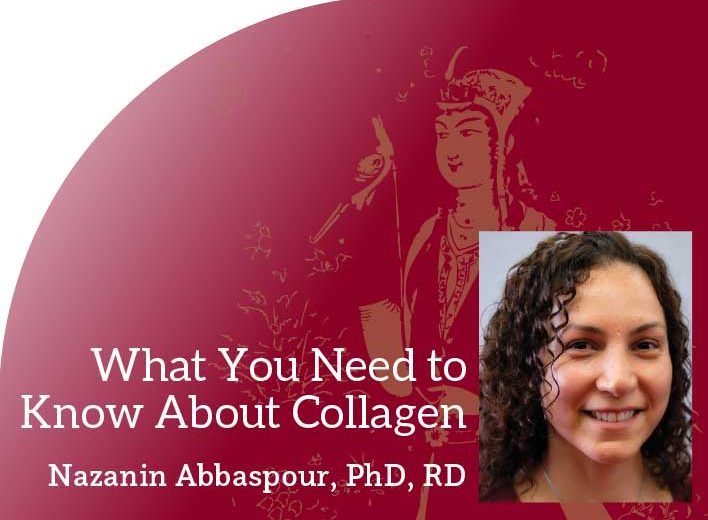
Nazanin Abbaspour, PhD, RD
Children’s early years are a critical window for shaping lifelong health, learning, and well-being. Research consistently shows that both proper nutrition and structured physical activities—such as martial arts training—play powerful roles in supporting physical growth, emotional balance, and cognitive development. (1)
Nutrition: Fuel for Growth and Learning
Adequate nutrition is one of the strongest determinants of children’s health. Studies highlight that balanced intake of macro- and micro-nutrients directly supports linear growth, bone strength, immunity, and even cognitive performance. (2) Undernutrition in early life, on the other hand, is linked to developmental delays, obesity risks later in life, and lower educational outcomes. (1) Therefore, providing children with nutrient-rich diets during early and middle childhood lays the foundation for vitality, academic readiness, and long-term disease prevention.
Kung Fu and Martial Arts: Beyond Physical Fitness
Martial arts, such as Kung Fu, are more than just physical training—they cultivate discipline, self-regulation, and resilience. Systematic reviews show that children who participate in martial arts experience improvements in strength, coordination, balance, flexibility, and cardiorespiratory fitness. (3) Importantly, these benefits extend to psychological and social domains; martial arts enhance confidence, reduce aggression, and promote positive peer interactions. (4, 5)
Kung Fu’s unique blend of structured movement, mindfulness, and tradition makes it particularly well-suited for children. Its practice engages both aerobic and anaerobic systems, develops balance and motor control, and fosters a strong mind-body connection.
The Synergy: Nutrition + Martial Arts
When combined, good nutrition and martial arts training create a holistic approach to child development. Nutrition fuels the body’s growth and repair, while martial arts channel that energy into building physical competence, mental focus, and social-emotional skills. Converging evidence suggests that children practicing martial arts who are supported by a nutrient-rich diet are more likely to show enhanced stamina, faster recovery, and greater stress resilience. (5, 6)
A Path Forward
In a time when many children face challenges such as sedentary lifestyles and poor dietary habits, integrating nutritious food practices with enriching physical activities like Kung Fu can help counterbalance these risks. Schools, parents, and communities that promote both healthy eating and martial arts programs can empower children not only to thrive physically, but also to grow into resilient, disciplined, and socially capable adults.
References
(1) Paris, J. Safety, Health, and Nutrition in Early Childhood Education. An Open Educational Resources Publication by College of the Canyons (2020). https://www.palomar.edu/childdevelopment/wp-content/uploads/sites/261/2021/04/Health-Safety-and-Nutrition-OER-Textbook-in-Word-2.pdf
(2) Inzaghi E, Pampanini V, Deodati A, Cianfarani S. “The Effects of Nutrition on Linear Growth,” Nutrients 14, 1752 (2022). https://doi.org/10.3390/nu14091752
(3) Stamenkovi´c A, Mani´c M, Roklicer R, Trivi´c T, Malovi´c P, Drid P. “Effects of Participating in Martial Arts in Children: A Systematic Review,” Children 9, 1203 (2022). https://doi.org/10.3390/children9081203
(4) Zivin G, Hassan NR, DePaula GF, Monti DA, Harlan C, Hossain KD, Patterson K. “An effective approach to violence prevention: traditional martial arts in middle school,” Adolescence 36(143), 443-59 (2001). PMID: 11817627.
(5) Moore B, Dudley D, Woodcock S. “The Effects of a Martial Arts-Based Intervention on Secondary School Students’ Self-Efficacy: A Randomised Controlled Trial,” Philosophies 8, 43 (2023). https://doi.org/10.3390/philosophies8030043
(6) Thomas DT, Erdman KA, Burke LM. “American College of Sports Medicine Joint Position Statement. Nutrition and Athletic Performance,” Medicine & Science in Sports & Exercise 48(3): 543-68 (2016). https://doi.org/10.1249/MSS.0000000000000852