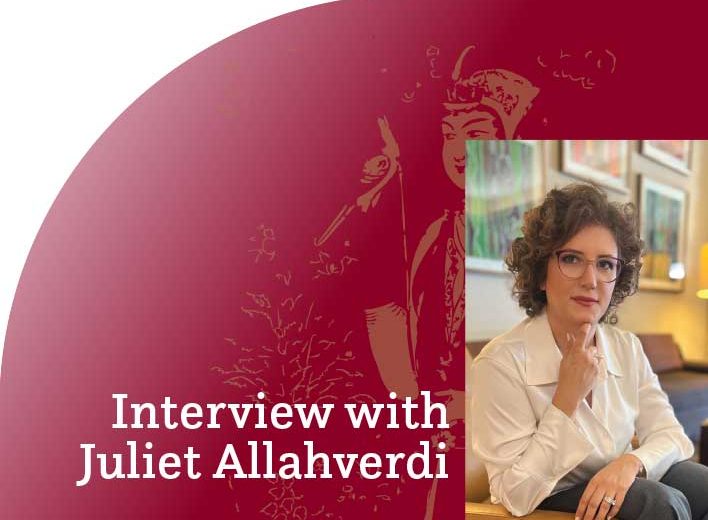
The Iranian School of San Diego boasts a significant history, having been in operation since 1988, and has positively impacted numerous students and families over the years. The school takes pride in its extensive alumni network, consisting of successful individuals who have made notable contributions to both the Iranian American and global communities. Many alumni now have children enrolled at ISSD, establishing a strong multi-generational bond with the school. In an effort to showcase these accomplishments and underline the value of ISSD, Peyk is highlighting profiles detailing the lives and experiences of the school’s graduates. We are reaching out to select ISSD alumni with a series of questions to not only check on their well-being, but also to introduce them to current students and parents. These alumni could potentially serve as significant role models for the present and upcoming student body. Our guest in this issue is Atoosa Emami, Research Scientist at Sanford Burnham Prebys and Dance Instructor at ISSD.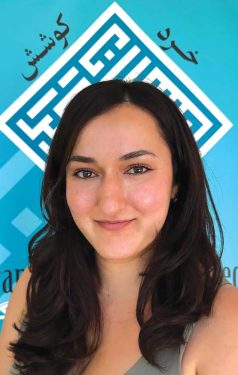
Atoosa Emami
During which years did you attend ISSD, and for how long?
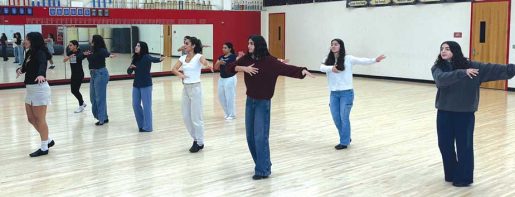
I have been part of ISSD for 24 years. I first enrolled in classes in 2002, and after graduating, I continued my involvement as a teaching assistant for both language and dance classes. Over the past few years, I’ve had the privilege of serving as the head instructor of the Persian Dance Academy.
Can you share any fond memories or amusing anecdotes from your time at ISSD?
I have so many fond memories from my time at ISSD. I remember feeling nervous backstage at our Nowruz dance performances with Mrs. Ayari and spending hours rehearsing the infamous “Citizenship” play directed by Mr. Sadr.
One of my most memorable moments, though, was in the classroom with Mr. Fani. We were in the middle of a very serious grammar lesson, and he was getting frustrated because we just weren’t grasping the concept. As he went back and forth between two sentences on the board, he became so animated that he accidentally knocked his glasses off his face, sending them flying across the room. After a brief pause, the entire class burst into laughter and I don’t think he ever got to finish the lesson.
I know for sure there were days when I had to be dragged to class, but I don’t remember those moments nearly as much as I remember the laughter, the performances, and the time spent with my classmates and teachers. It’s those memories that really stayed with me and reflect the kind of environment that made it easy to form meaningful connections.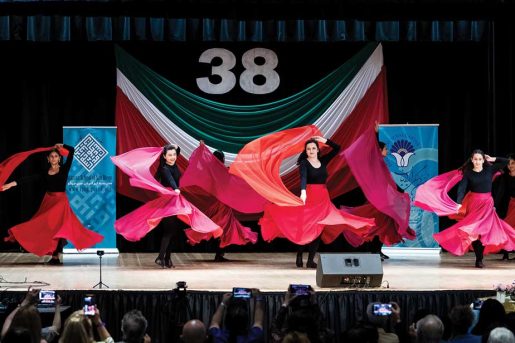
Are you still in contact with fellow students, teachers, or staff from ISSD?
Since I’m still actively involved with the school, I see many of the teachers, staff, and students on a weekly basis, if not more often. Beyond that, I’ve formed lifelong friendships with some of my classmates. In San Diego, you’re always bound to run into someone from the ISSD community, which really speaks to the school’s wide reach and the strong network it has built over the years.
 In what ways has your education at ISSD influenced your relationship with your extended family and cultural heritage?
My education at ISSD played a central role in shaping my cultural identity and deepening my understanding of the richness and diversity of Iranian culture. Growing up as an Iranian in America came with its own challenges, but ISSD created a strong sense of community and belonging.
Through learning about the language, history, and arts, I developed a much deeper appreciation for my heritage. I’ve only had the opportunity to visit Iran once, but it was an incredibly meaningful experience. Being able to visit historical sites I had learned about in class, with my family living in Iran, made those moments even more special. Without that cultural foundation, I wouldn’t have been able to fully appreciate the significance of that experience.
What are your current endeavors in terms of career, family life, and volunteering?
During the week, I work in drug discovery research at Sanford Burnham Prebys, where my focus is on developing new therapeutics for cancer and age-related neurodegenerative diseases such as Alzheimer’s. On Sundays, I have the privilege of teaching dance classes at ISSD.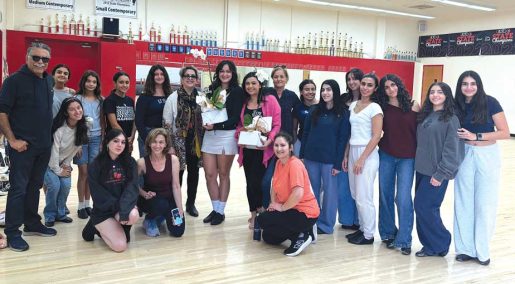
What are your aspirations for the future of ISSD, and what advice would you offer to families with children at ISSD or considering enrollment?
I would love to see ISSD continue to grow while staying true to its mission of teaching the language and culture of Iran to future generations. I know it requires dedication from both parents and students, but the sense of cultural pride, belonging, and lifelong relationships that come from being part of this community far outweigh the commitment.
Anything else you want to add?
I’m incredibly grateful to all of my teachers at ISSD for the role they’ve played in shaping my cultural identity. It’s an honor to now be in a position where I can help pass that on to the next generation and contribute to preserving the rich history and traditions of Iranian culture through dance and music.