Understanding Hair Loss: Why It Happens and What It Might Mean
By Sanaz Majd, MD
Hair loss can be emotionally distressing—and understandably so. In today’s culture, hair often symbolizes beauty, youth, confidence, and identity. It’s no wonder the global market for wigs, extensions, growth serums, and hair transplants is worth billions of dollars.
So when our hair begins to thin or shed, it can feel like a loss of those ideals as well. Yet hair loss is incredibly common, especially as we age. Let’s take a closer look at some of the most common causes behind it.
Thyroid Disorders
The thyroid gland, located in the neck, regulates metabolism and numerous body functions. When it slows down (hypothyroidism), so does everything else—energy, digestion, mood, and even hair growth. As a result, hair may become brittle, thin, or fall out entirely.
Traction Alopecia
Constant tension on the hair—from tight ponytails, braids, or buns—can strain the follicles and lead to hair loss, often most visible along the hairline in the front. If you frequently wear your hair up, consider loosening your style to give your scalp a break.
Stress
We can’t blame stress for everything, but this one is real. A major stressful or traumatic event can trigger hair loss about three to six months later, a condition known as telogen effluvium. The good news? It’s temporary. Once the stressor resolves, hair usually regrows on its own.
Medication Side Effects
Certain medications are well-known culprits. These include chemotherapy drugs, corticosteroids, anticonvulsants, lithium, and some hormone therapies. Hair loss can also occur with specific blood pressure and heart medications (like amiodarone, captopril, or propranolol) and some cholesterol-lowering drugs.
Chronic Iron Deficiency
Women with heavy or frequent menstrual cycles are especially at risk for iron deficiency anemia, one of the most common reversible causes of hair loss. A simple blood test can confirm it. Vegetarians, vegans, and adults over 45 with microscopic gastrointestinal bleeding may also develop low iron levels that affect hair growth.
Autoimmune Disorders
Conditions like lupus and alopecia areata occur when the immune system mistakenly attacks the body—in this case, the hair follicles. This typically causes distinct patchy areas of hair loss rather than diffuse thinning.
Tinea Capitis
Tinea capitis is referred to as “ringworm,” although this is a misnomer; it is not a parasite, but a fungal infection. Much more common in children, this fungal infection can wreak havoc on the scalp, just as it can elsewhere on the skin (just like the “jock itch” in the groin, diaper rash in babies, athlete’s foot in the feet, etc.). Like autoimmune disorders, the fungi also tend to cause distinct patches of hair loss.
Polycystic Ovary Syndrome (PCOS)
PCOS causes hormonal imbalances that raise testosterone levels in women. This can lead to some very frustrating symptoms, such as irregular periods, acne, weight gain, increased facial hair, and… scalp hair thinning. Middle Eastern women are at higher risk for PCOS, and there tends to be a link particularly in those with family history of diabetes. Unfortunately, it is under-diagnosed and women can go throughout their entire lives without knowing they have it.
Pregnancy and Postpartum Changes
During pregnancy, many women enjoy thicker, fuller hair thanks to elevated hormones. After delivery, however, those hormone levels drop and shedding often follows. Most regain their usual hair volume within a year. It’s also wise to check a blood thyroid level here, as the thyroid can also go out of whack temporarily after delivery and, hence, cause hair loss.
Genetics
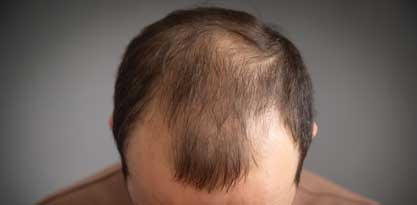
By far the most common cause of hair loss—in both men and women—is genetics. Known as androgenetic alopecia, this inherited condition usually leads to gradual, diffuse thinning rather than distinct bald patches. If your parents or siblings have experienced hair loss, you may share that tendency.
Final Thoughts and Disclaimer
While other, less common causes exist—such as syphilis or trichotillomania (a hair-pulling disorder)—the conditions above represent the majority of cases physicians see in practice.
A visit to your primary care physician is often enough to identify or rule out most causes. This is one of many reasons why maintaining a strong relationship with your doctor truly pays off.
As always, this article is for informational purposes only and should not be considered medical advice. It does not replace professional judgment or care from your personal physician. Always consult a licensed healthcare provider for concerns about hair loss or any other medical condition.
Sanaz Majd, MD, is a board-certified Family Medicine physician and host of the Majd MD YouTube channel, reviewing the most popular medical topics: www.youtube.com/MajdMD. You can also follow her on Facebook or Instagram: @SMajdMD.