ISSD Alumni Corner
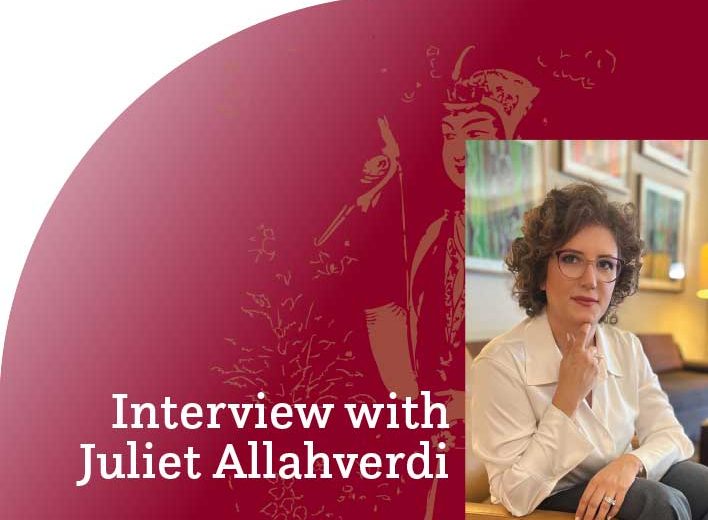
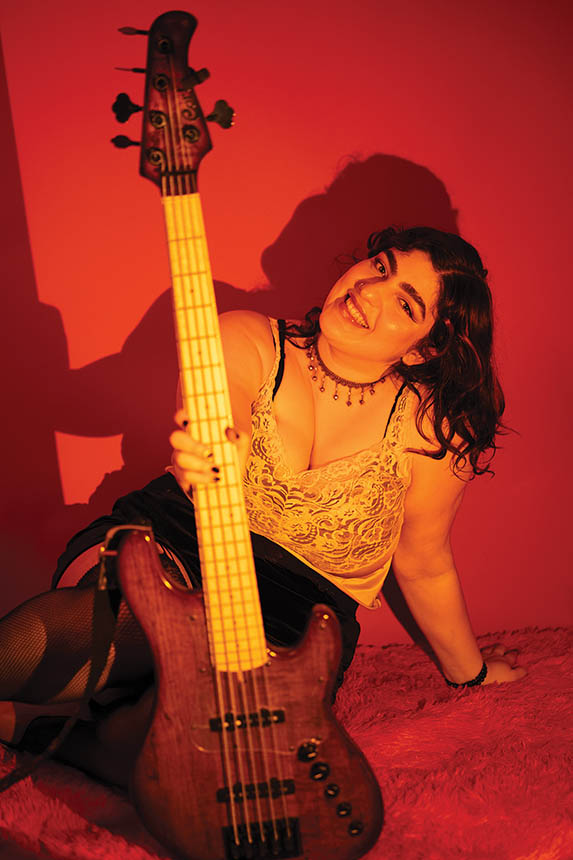
The Iranian School of San Diego boasts a significant history, having been in operation since 1988, and has positively impacted numerous students and families over the years. The school takes pride in its extensive alumni network, consisting of successful individuals who have made notable contributions to both the Iranian American and global communities. Many alumni now have children enrolled at ISSD, establishing a strong multi-generational bond with the school. In an effort to showcase these accomplishments and underline the value of ISSD, Peyk is highlighting profiles detailing the lives and experiences of the school’s graduates. We are reaching out to select ISSD alumni with a series of questions to not only check on their well-being, but also to introduce them to current students and parents. These alumni could potentially serve as significant role models for the present and upcoming student body. Our guest in this issue is Leela Peymai, a professional musician and band leader.
Leela Peymai
1. During which years did you attend ISSD, and for how long?
I attended ISSD from 2006 to 2011, five years in total.
2. Can you share any fond memories or amusing anecdotes from your time at ISSD?
I remember selling snacks with my mom during recess and at the Dollar-a-Month fundraiser bazaar. I loved the dance classes, too, because we got to put makeup on backstage and I thought that was so cool. I also loved the choir (Soorood) rehearsals for the Nowruz program. I still remember all the songs. ISSD used so many different ways of teaching us our culture and language and, for me, the one that stuck the most was singing.
3. Are you still in contact with fellow students, teachers, or staff from ISSD?
Yes, I’ve reconnected with some of the students, and we reminisce about our time at the Iranian school. I even found out that one of them became a musician too, just like me.
4. In what ways has your education at ISSD influenced your relationship with your extended family and cultural heritage?
The impact has been tremendous. I may not remember every lesson, but the cultural connections have stayed with me and shaped my career and my life. My parents tried to speak Farsi at home, but reading and writing in Farsi is something I would never have learned without ISSD, and I carry those skills with a lot of pride. They allowed me to communicate with my grandparents, and I remember taking my Farsi homework to my grandma’s house, where we would bond over her helping me with it. I was able to understand and speak Farsi on my childhood trips to Iran, play with my cousins who lived there, and meet and play with some of the village children by the Caspian Sea. Now I can read and understand the lyrics of old Iranian songs and some poetry, too, to use in my music. ISSD had a real and lasting impact on my life.
5. What are your current endeavors in terms of career, family life, and volunteering?
After studying music in college and pursuing a career as a professional musician, I found myself gravitating more and more toward the Iranian music I grew up with. About a year and a half ago, I started my band ZHENIIA, a Persian jazz fusion project that blends Persian classical modes, Persian pop influences like Marjan and Googoosh, and contemporary jazz, after receiving a grant from San Jose Jazz. Since then I’ve played all over the Bay Area and released my debut album, Saraab, in April, which includes a medley akin to the folk songs I used to sing at ISSD, coming full circle to bring that spirit into the band. I’ve now received a second grant from InterMusic SF for my next album.
Studying classical Persian music modes and instruments has set me on a path I plan to keep exploring for as long as I can. I recently ordered Tahlil-e Radif by Dariush Talai and I’m looking forward to working through it in Farsi. My debut album opens with a poem by Simin Behbahani, and on another track I used archival radio audio about the 1953 coup in Iran. I even got to work with the wonderful artist Rashid Rahnama to design my band’s logo and graphics, exploring how to represent Persian identity visually, not just musically. All of this is possible because of the foundation I got from ISSD on all those Sundays.
6. What are your aspirations for the future of ISSD, and what advice would you offer to families with children at ISSD or considering enrollment in the future?
As a kid, you want to spend your Sundays with friends or just playing. My mom never gave us the option to skip ISSD, and looking back, I’m so grateful she didn’t. ISSD is more than a language class. It’s about feeling part of something bigger than yourself, being around people who share your background, and eating ghormeh sabzi without anyone thinking it’s weird. ISSD gave me a family and a community I’ll always cherish. My advice to parents is that your children will thank you one day, whether that’s simply gratitude or the day they start playing the music of their own culture.
7. Anything else you want to add?
I want to thank the whole ISSD and PCC community for giving me a cultural home within a home. Whether it was school, the annual Nowruz PCC party with the memorable Amoo Nowruz, or the many concerts I attended as a kid, all of it shaped who I am and what I do today. I’m especially grateful to be performing in San Diego soon, close to where this all began, and I hope to see some familiar faces there.